Awards
Our Team – QuBruin
Here we highlight major recognitions received by our members and projects.
Winner of QuEra Track, YQuantum 2025
Team Members:
Zhuoyang Ye, Mu Niu, Victor Yu,
Hanyu Wang, Haochen Wang
Project Link:
About this project
This project develops a scalable quantum-computing workflow leveraging QuEra hardware capabilities for algorithm evaluation and resource-efficient execution. It emphasizes realistic resource modeling and algorithm–hardware co-design.
Why it won
The judges highlighted our system design, engineering depth, and ability to bridge theory, hardware constraints, and practical performance benchmarking with clear, reproducible experiments.
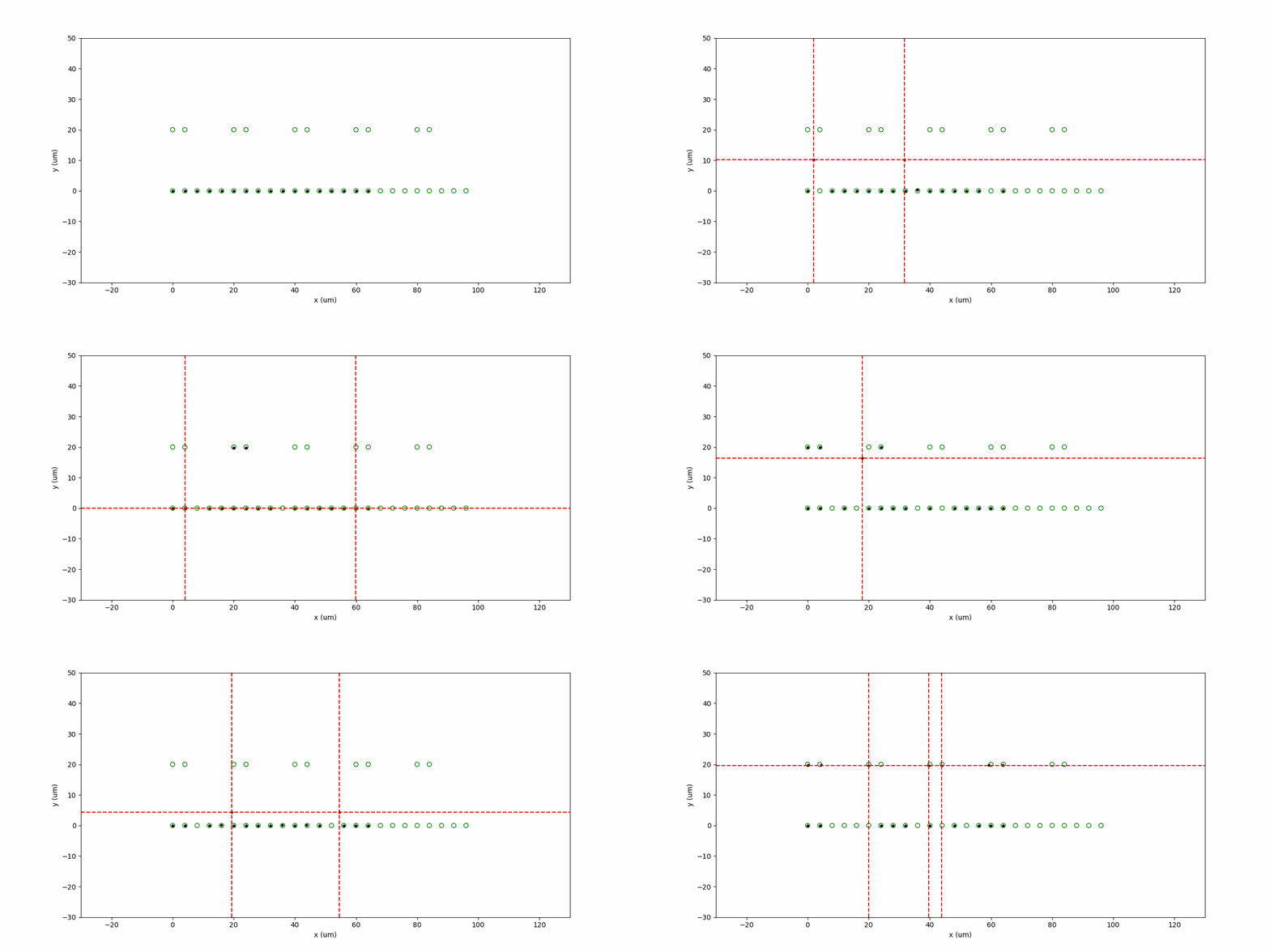
Project Figure
High-level architecture and experimental layout of our QuEra-based workflow, illustrating the full stack from problem instance to hardware execution and analysis.
Grand Prize 3rd Place, YQuantum 2024
Team Members:
John Zhuoyang Ye, Qiyu Liu,
Manvi Agrawal, Changsoo Kim,
Haochen Wang
Project Link:
About this project
This project explores dynamic-circuit execution for quantum workloads, focusing on adaptive measurement, control feedback, and more efficient use of quantum resources on near-term devices.
Why it won
The work was recognized for presenting a clear end-to-end prototype and demonstrating how dynamic circuits can reduce circuit depth, improve robustness, and enable richer control logic in real experiments.
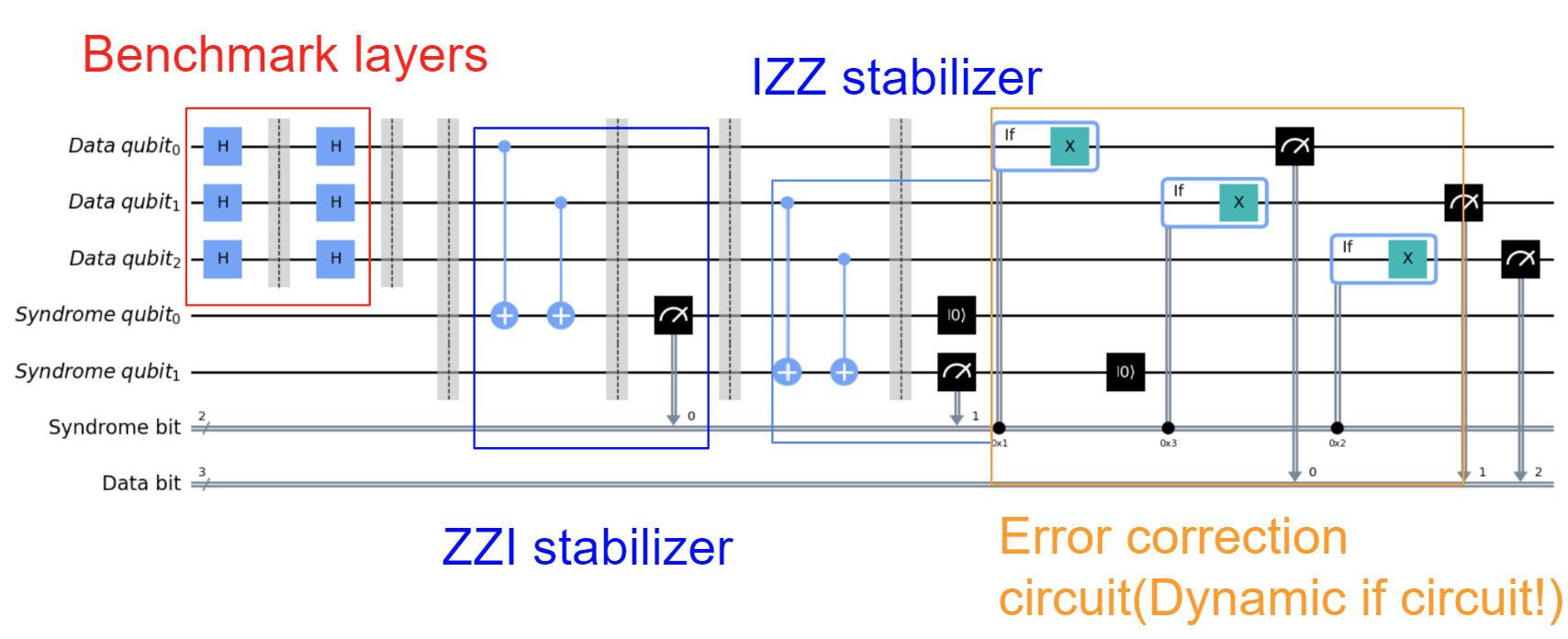
Project Figure
Example dynamic-circuit flow, showing conditional branches, mid-circuit measurements, and feedback paths that drive the execution logic.
Winner of Quandela, MIT Hackathon 2024
Team Members:
John Zhuoyang Ye, Yarin Heffes,
Roberto Negrin
Project Link:
About this project
The team built a photonic-computing inspired application prototype using Quandela tooling, connecting algorithm design, circuit synthesis, and realistic photonic experiment modeling.
Why it won
Judges noted the strong alignment with photonic hardware capabilities and the clarity of engineering execution across software stack, experiment logic, and application framing.

Project Figure
Visual representation of the photonic setup and the logical pipeline, from input state preparation to measurement and classical post-processing.